Annapolis Valley Real Estate Agent Helping Buyers & Sellers Make Confident Moves

RSS

Renting in the Annapolis Valley but Thinking About Buying Your First Home? Start With Preparation

For many renters in the Annapolis Valley, buying a first home feels exciting — and overwhelming at the same time. Questions around financing, location, affordability, and timing often stop people before they even begin.

The truth is this: successful first-time home buying in the Annapolis Valley starts with preparation, not pressure.
That’s where my process comes in.

As a local REALTOR® who lives and works in this community, I help renters turn uncertainty into confidence by focusing on clarity, education, and local insight — long before an offer is written.


Step 1: Get Pre-Approved (Before You Start Looking)

One of the biggest mistakes first-time buyers make is browsing homes before understanding their financial foundation.

A proper mortgage pre-approval:

  • Confirms what you can actually afford (not just what online calculators suggest)

  • Strengthens your position when you’re ready to buy

  • Helps avoid emotional decisions that don’t align with your long-term goals

In a competitive Nova Scotia real estate market, pre-approval isn’t optional — it’s essential.


Step 2: Understand the Home Buying Process in Nova Scotia

Buying a home involves far more than choosing a property and submitting an offer.

I walk first-time buyers through:

  • How offers are structured

  • Conditions like financing and home inspections

  • Timelines from accepted offer to closing day

  • What legal and professional steps happen behind the scenes

When buyers understand the process, they make calmer, more confident decisions — especially when emotions run high.


Step 3: Financial Preparation Beyond Closing Costs

Many buyers budget for a down payment and closing costs — but that’s only part of the picture.

True preparation also includes:

  • Moving expenses

  • Utility setup and adjustments

  • Immediate maintenance or upgrades

  • Emergency buffers for peace of mind

Preparing for these realities upfront helps buyers avoid financial stress after they get the keys.


Step 4: First-Time Home Buyer Programs in Nova Scotia

There are first-time home buyer down payment assistance programs available in Nova Scotia, and they can make a meaningful difference — if you know how and when to use them.

Part of my role is helping buyers:

  • Understand which programs they may qualify for

  • See how assistance fits into their long-term financial plan

  • Avoid relying on programs that may limit future flexibility

Not every program is right for every buyer — guidance matters.


Step 5: Choosing the Right Area in the Annapolis Valley

The Annapolis Valley isn’t one single market — it’s a collection of distinct communities, each with its own feel, price points, and lifestyle advantages.

Together, we look at:

  • Commute times and work locations

  • Schools, amenities, and services

  • Long-term resale value

  • Lifestyle fit, not just house features

Local knowledge is what turns a “nice house” into the right home.


Step 6: Being Honest About Renovations and Maintenance

Fixer-uppers can be great opportunities — but only if they align with your comfort level, budget, and time.

I help buyers realistically assess:

  • Cosmetic updates vs. structural work

  • Time commitment and contractor availability

  • Whether a move-in-ready home is the better choice

There’s no wrong answer — only the right fit for you.


A Local, Proven Approach to First-Time Buying

Buying your first home doesn’t need to be rushed or stressful. With the right preparation, clear guidance, and local expertise, it becomes a well-planned step forward.

If you’re renting in the Annapolis Valley and thinking about homeownership — even if it’s still a year away — the best time to start is now.

Bruce McGaw, REALTOR®
📲 1-902-790-7403
Helping Annapolis Valley renters become confident first-time home buyers


Read

Top 5 Towns in the Annapolis Valley (Ranked by Population)

If you’re considering a move to Nova Scotia, understanding the different communities within the Annapolis Valley is an important first step. Each town offers its own lifestyle, amenities, and pace of life, and population size often plays a role in the services and conveniences available.

As a local Annapolis Valley real estate agent, I regularly help buyers compare towns based on lifestyle, access to amenities, and long-term livability. Below are the top five towns in the Annapolis Valley ranked by population, along with a snapshot of what each community offers.


1. Kentville (Approx. 6,600 residents)

Kentville is the largest incorporated town in the Annapolis Valley and is often considered the region’s service and healthcare hub. It offers a strong mix of residential neighbourhoods, employment opportunities, and central access to the rest of the Valley.

Key amenities in Kentville include:

  • Regional hospital and medical services

  • Primary and secondary schools

  • Shopping centres and grocery stores

  • Parks, trails, and recreation facilities

  • Central access to Highway 101


2. Wolfville (Approx. 5,000 residents)

Wolfville is a vibrant university town with a population of roughly 5,000 residents. Known for its culture, walkability, and strong sense of place, Wolfville attracts students, professionals, and retirees alike.

Key amenities in Wolfville include:

  • Acadia University

  • Walkable downtown with cafés and restaurants

  • Wineries and vineyards nearby

  • Waterfront access and scenic trails

  • Arts, music, and seasonal festivals


3. New Minas (Approx. 4,600 residents)

New Minas is one of the most convenient communities in the Annapolis Valley, particularly for shopping and services. It’s a popular choice for buyers who want easy access to amenities while remaining close to Kentville and surrounding communities.

Key amenities in New Minas include:

  • Major retail and box stores

  • Restaurants and professional services

  • Easy access to Highway 101

  • Schools and recreation facilities nearby

  • Family-friendly residential areas


4. Kingston–Greenwood (Approx. 7,100 residents)

The Kingston–Greenwood area is one of the fastest-growing population centres in the Annapolis Valley, largely due to its proximity to CFB Greenwood and steady employment opportunities. When considered together, it functions as a major residential and service hub in the eastern Valley.

Key amenities in Kingston–Greenwood include:

  • Canadian Forces Base Greenwood

  • Schools and recreation facilities

  • Local shopping and services

  • Parks, trails, and community spaces

  • Easy access to Highway 101


5. Berwick (Approx. 2,400 residents)

Berwick is a smaller but well-established town with an estimated population of around 2,400 residents. It is known for its strong community identity and family-friendly atmosphere, making it appealing to buyers looking for value and a quieter pace of life.

Key amenities in Berwick include:

  • Schools and recreation facilities

  • Local shops and services

  • Community sports and programs

  • Short commute to Kentville

  • More affordable housing options


Which Annapolis Valley Town Is Right for You?

Each town in the Annapolis Valley offers something different, and the best choice depends on your lifestyle, work needs, and long-term goals. Population size is just one factor — understanding neighbourhoods, housing options, and future growth matters just as much.

As an experienced Annapolis Valley real estate agent, I help buyers compare communities and find the right fit across the Valley. If you’re thinking about buying or relocating, feel free to reach out for local insight and guidance.

Providing trusted, local real estate advice across the Annapolis Valley.

Read

Top 5 Reasons to Move to the Annapolis Valley

If you’re considering a move in Nova Scotia, the Annapolis Valley continues to stand out as one of the most desirable places to live. From lifestyle and affordability to community and opportunity, more buyers are choosing the Valley for both primary residences and long-term investments.

As a local Annapolis Valley real estate agent, I work with buyers relocating from across Nova Scotia and beyond. Here are the top five reasons people are choosing to move to the Annapolis Valley — and why it may be the right move for you.


1. Proximity to Halifax Without the City Stress

One of the biggest draws of the Annapolis Valley is its proximity to Halifax. Many residents enjoy being within a reasonable drive of the city for work, travel, healthcare, and major amenities—without dealing with daily congestion, parking challenges, or higher housing costs.

For buyers relocating from Halifax or commuting part-time, the Valley offers a practical balance between accessibility and lifestyle. You can enjoy city conveniences when needed while coming home to quieter streets, more space, and a stronger connection to your community.


2. Thriving Local Shops and Restaurants

The Annapolis Valley is known for its independent shops, local restaurants, and small businesses that give each community its own identity. From neighbourhood cafés and bakeries to farm-to-table restaurants and seasonal markets, supporting local businesses is part of everyday life.

Communities like Kentville, Wolfville, and surrounding villages offer walkable downtowns where residents can shop, dine, and connect locally. For many buyers, this vibrant small-town atmosphere is a major reason the Valley feels welcoming and livable.


3. Access to Outdoor Trails and an Active Lifestyle

For those who value an active lifestyle, the Annapolis Valley delivers year-round. Residents enjoy easy access to walking and cycling trails, beaches, parks, farmland, and scenic lookoffs.

Whether it’s hiking, cycling, kayaking, snowshoeing, or simply enjoying time outdoors, the Valley makes it easy to stay active without long drives or crowded spaces. This connection to nature is a key factor for buyers choosing the Annapolis Valley over more densely populated regions.


4. A Blossoming Wine and Craft Beverage Industry

The Annapolis Valley has become nationally recognized for its wine, craft beer, cider, and distillery scene. Home to award-winning wineries and local producers, the region attracts visitors from across Nova Scotia and beyond.

For residents, this means access to local events, tastings, and tourism-driven amenities that add to the Valley’s culture and lifestyle. This growing industry also supports local employment and contributes to the long-term economic strength of the region.


5. Strong Sense of Community and a More Approachable Pace of Life

Perhaps the most common reason people choose to move to the Annapolis Valley is the strong sense of community and slower, more approachable pace of life.

Neighbours know each other, local events bring people together, and everyday life feels less rushed. For families, retirees, and professionals alike, this balance between community connection and personal space is a key reason the Valley continues to attract new residents.


Is the Annapolis Valley Right for You?

Every move is personal, but for many buyers, the Annapolis Valley offers a rare combination of lifestyle, location, and community. Understanding local neighbourhoods, pricing, and long-term trends is key to making a confident decision.

As an experienced Annapolis Valley real estate agent, I help buyers navigate the local market with clarity and insight. If you’re considering a move or want to learn more about what living in the Annapolis Valley is really like, feel free to reach out.

Providing local insight, trusted guidance, and strategy-driven real estate advice across the Annapolis Valley.

Read

How to Get Pre‑Approved for a Mortgage in the Annapolis Valley

If you’re thinking about buying a home in the Annapolis Valley, one of the most important first steps is getting pre‑approved for a mortgage. A mortgage pre‑approval helps you understand what you can afford, strengthens your position as a buyer, and allows you to shop with confidence in the Annapolis Valley real estate market.

This guide walks through how mortgage pre‑approval works in Nova Scotia, what lenders look for, and why it matters when buying a home in communities like Kentville, New Minas, Wolfville, and across Kings County.


What Is a Mortgage Pre‑Approval?

A mortgage pre‑approval is a conditional commitment from a lender stating how much they may be willing to lend you, at what interest rate, and under what terms. It is based on a review of your financial information and gives you a clear price range before you start house hunting.

While a pre‑approval is not a final approval, it carries significantly more weight than an online mortgage calculator.


Why Mortgage Pre‑Approval Matters in the Annapolis Valley

In competitive markets throughout the Annapolis Valley, sellers want confidence that a buyer can secure financing. A pre‑approval shows that:

  • You’ve spoken with a lender or mortgage broker

  • Your finances have been reviewed

  • You’re a serious buyer, not just browsing

In some situations, having a strong pre‑approval can make your offer more attractive, even when competing against similar offers.


Step‑by‑Step: How to Get Pre‑Approved for a Mortgage in Nova Scotia

1. Connect With a Lender or Mortgage Broker

You can get pre‑approved through a bank, credit union, or a licensed mortgage broker in Nova Scotia. Mortgage brokers often work with multiple lenders and can help compare options based on your situation.

2. Gather Your Financial Documents

Most lenders will ask for:

  • Recent pay stubs or proof of income

  • Two years of T4s or Notices of Assessment

  • Recent bank statements

  • Details of debts such as car loans, credit cards, or student loans

  • Proof of down payment

If you’re self‑employed, additional documentation may be required.

3. Review Your Credit Score

Your credit score plays a major role in your mortgage options. Reviewing your credit ahead of time helps identify any issues that could affect approval or interest rates.

4. Understand Your Down Payment Options

In Canada, the minimum down payment depends on the purchase price of the home. Your lender will explain how much you need upfront, including additional costs such as closing expenses and land transfer considerations.

5. Receive Your Pre‑Approval

Once reviewed, the lender will issue a pre‑approval outlining:

  • Maximum purchase price

  • Estimated mortgage payment

  • Interest rate (often held for a set period)

This gives you clarity before you begin viewing homes in the Annapolis Valley.


How Long Does a Mortgage Pre‑Approval Last?

Most mortgage pre‑approvals in Nova Scotia are valid for 90 to 120 days. If your approval expires or your financial situation changes, it may need to be updated.


Common Pre‑Approval Mistakes to Avoid

  • Making large purchases before buying a home

  • Changing jobs or income sources mid‑process

  • Assuming pre‑approval guarantees final approval

Working closely with your lender and real estate agent helps avoid surprises.


How a Local Annapolis Valley Real Estate Agent Helps

As an Annapolis Valley real estate agent, I work closely with buyers to align their home search with their financing. Knowing your pre‑approved range helps focus on the right properties and strengthens your position when it’s time to write an offer.

I can also connect buyers with trusted local mortgage professionals who understand lending nuances in Kings County and surrounding areas.


Mortgage Pre-Approval FAQs for the Annapolis Valley

How much do I need for a down payment in Nova Scotia?

The minimum down payment in Nova Scotia depends on the purchase price of the home. Many buyers put down between 5% and 20%, but your lender or mortgage broker can confirm what applies to your situation and the type of property you’re purchasing in the Annapolis Valley.

Does getting pre-approved affect my credit score?

A mortgage pre-approval usually involves a credit check, which may have a small, temporary impact on your credit score. This is normal and generally outweighed by the benefits of knowing your buying power before shopping for a home.

Can I get pre-approved before choosing a home?

Yes. In fact, getting pre-approved before viewing homes is strongly recommended. It helps you understand your budget and makes you a stronger buyer when submitting an offer in the Annapolis Valley real estate market.

How long does mortgage pre-approval take?

Many buyers receive a mortgage pre-approval within a few days once documents are submitted. Timing can vary depending on income type, credit history, and lender requirements.

Do I need a local lender to buy in the Annapolis Valley?

You don’t need a local lender, but working with a mortgage professional familiar with Nova Scotia lending rules and local market conditions can be helpful when buying in the Annapolis Valley.


Ready to Buy a Home in the Annapolis Valley?

If you’re considering buying a home and want to make sure you’re prepared from the start, getting pre‑approved is the right first step.

If you have questions about buying in the Annapolis Valley, understanding local pricing, or next steps after pre‑approval, feel free to reach out anytime.

Serving buyers across the Annapolis Valley with clear guidance, local insight, and strategy‑driven real estate advice.

Read

Market Value vs Assessed Value in the Annapolis Valley, Nova Scotia: What Your New Assessment Really Means

Property assessments across the Annapolis Valley, Nova Scotia have just been released, and for many homeowners, the first reaction is either excitement or concern. A higher number can feel validating—or alarming—depending on your goals.

But one of the most common questions I’m getting right now is:

“Does my new assessed value mean my home is worth that much on the market?”

The short answer: not necessarily.

Let’s break down the difference between assessed value and market value, and why understanding this distinction matters if you’re buying or selling real estate in the Annapolis Valley.


What Is Assessed Value?

Your assessed value is determined by the Property Valuation Services Corporation (PVSC) in Nova Scotia. Its primary purpose is to calculate property taxes, not to predict what your home would sell for.

Assessed values are based on:

  • Mass appraisal models

  • Historical sales data

  • Broad market trends

  • Standardized assumptions across large areas

Importantly, assessments:

  • Are based on a specific valuation date

  • Do not always account for recent upgrades or condition

  • Are not adjusted in real time as the market shifts

In fast-changing markets—like many communities across the Annapolis Valley—assessed values often lag behind actual market conditions.


What Is Market Value?

Market value is what a buyer is willing to pay for your home today, under current market conditions.

It is influenced by:

  • Recent comparable sales (not older data)

  • Location within the Annapolis Valley (town vs rural, school zones, amenities)

  • Condition, renovations, and layout

  • Buyer demand and inventory levels

  • Interest rates and overall affordability

Market value is dynamic. It changes with:

  • Buyer sentiment

  • Seasonal trends

  • Local supply and demand

This is why two homes with similar assessed values can sell for very different prices.


Why Assessed Value and Market Value Often Don’t Match

In the Annapolis Valley real estate market, it’s common to see:

  • Homes selling above assessed value

  • Homes selling below assessed value

  • Homes selling exactly at assessment—by coincidence, not design

Reasons include:

  • Rapid price appreciation over the last few years

  • Limited inventory in certain Valley communities

  • Unique property features that assessments don’t fully capture

  • Renovations completed after the last assessment cycle

Your assessment is a tax tool, not a pricing strategy.


Does a Higher Assessment Mean Higher Property Taxes?

Not automatically.

While assessed value plays a role in taxation, municipal tax rates also matter. In some cases:

  • Assessments rise, but tax rates adjust

  • Increases are capped or phased in

  • Changes vary by municipality across the Annapolis Valley

If taxes are your main concern, it’s worth reviewing:

  • Your municipality’s tax rate

  • Any assessment cap you may qualify for

  • How your assessment compares to similar properties nearby


Thinking of Selling in the Annapolis Valley?

If you’re considering selling your home, do not price it based on assessed value alone.

A proper pricing strategy should be based on:

  • Current Annapolis Valley market data

  • Comparable sales from the last 30–90 days

  • Buyer activity and competition

  • Your specific location and property condition

Overpricing based on assessment can lead to:

  • Longer days on market

  • Fewer showings

  • Price reductions that hurt momentum

Underpricing can leave money on the table.


What Should You Do If You’re Unsure?

If you’ve received your assessment and you’re wondering:

  • What your home would actually sell for

  • Whether now is a good time to list

  • How your area of the Annapolis Valley is performing

The best next step is a market value analysis, not a guess based on assessment paperwork.


Final Thoughts

Assessed value and market value serve two very different purposes. Understanding that difference gives you clarity, confidence, and leverage—whether you’re planning to sell, refinance, or simply want to understand your position in the Annapolis Valley real estate market.

If you’d like a clearer picture of what your home is worth right now, based on real buyer behaviour—not a formula—I’m happy to help.

Read

New Public Housing Development in Kentville: What It Means for the Annapolis Valley

A Major Housing Announcement for Kentville, Nova Scotia

The Government of Nova Scotia has announced a significant new public housing development in Kentville, Nova Scotia, bringing much‑needed affordable housing to the Annapolis Valley. The project will add 30 new public housing apartments, supporting families, seniors, and individuals who need stable, long‑term housing in Kings County.

This announcement reflects ongoing efforts to address housing supply challenges while strengthening local communities across the Annapolis Valley.


Details of the New Kentville Public Housing Project

The development will be built on provincially owned land on Justice Way in Kentville and will include:

  • 30 public housing apartments

  • A mix of one‑ and two‑bedroom units

  • 10 fully accessible units

  • Energy‑efficient features, including heat pumps

The project is designed to house approximately 100 people and will provide rent‑geared‑to‑income housing, ensuring affordability for residents.


Construction Timeline and Local Impact

Preliminary designs have been completed, with modular components being built locally. Construction is expected to begin in spring 2026, with completion targeted for summer 2027.

Beyond providing homes, this development supports local employment and reinforces Kentville’s role as a key service and housing hub within the Annapolis Valley.


How This Fits Into Nova Scotia’s Housing Strategy

This Kentville project is part of the province’s broader housing plan, Our Homes, Action for Housing, which focuses on expanding public and affordable housing across Nova Scotia.

For the Annapolis Valley, initiatives like this help balance housing availability, support workforce stability, and contribute to long‑term community growth.


What New Public Housing Means for the Annapolis Valley Real Estate Market

While public housing serves a different segment of the market than private homeownership, increasing housing supply at all levels is important for overall market health.

Stable housing options can reduce pressure on rental inventory, support local employers, and help maintain balanced demand within the Annapolis Valley real estate market.

If you’re interested in learning more about how housing supply affects pricing and demand, visit my page on Annapolis Valley real estate market insights.


Local Insight From an Annapolis Valley Real Estate Agent

As an Annapolis Valley real estate agent, I closely follow housing developments that shape our communities. Whether you’re a homeowner, buyer, or investor, understanding projects like this helps provide context around long‑term growth and market trends.

If you’re considering buying or selling in Kentville or anywhere in the Annapolis Valley, you may also find these resources helpful:

  • Selling your home in the Annapolis Valley

  • Buying a home in Kentville, Nova Scotia

  • Winter vs. spring selling strategies in the Annapolis Valley

If you’d like to talk about how local housing developments may impact your plans, feel free to reach out anytime.


Serving Kentville and the Annapolis Valley with local insight, clear advice, and strategy‑driven real estate guidance.

Source:

Government of Nova ScotiaNew Public Housing Coming to Kentville (January 20, 2026)
https://news.novascotia.ca/en/2026/01/20/new-public-housing-kentville

Read

Why Should I Sell My Home in the Winter?

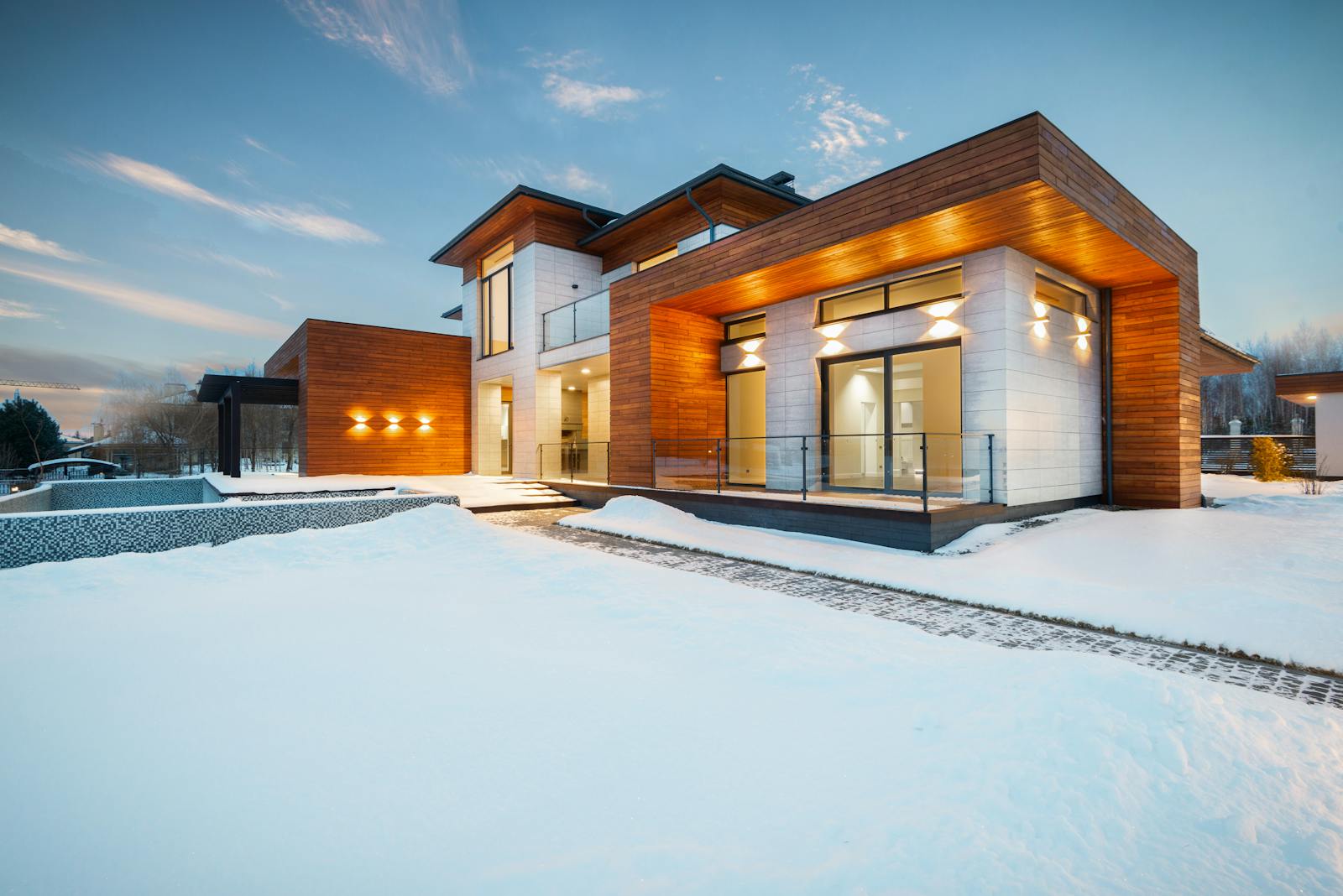
If you’re a homeowner in the Annapolis Valley, you may be wondering: why should I sell my home in the winter? It’s a common question—and one that deserves a closer look. While spring and summer traditionally get the spotlight, winter can actually be a strategic and rewarding time to sell, especially with the right approach and guidance from a knowledgeable Annapolis Valley real estate agent.

Below, we break down the key reasons why selling your home during the winter months in the Annapolis Valley can work in your favour.


1. Less Competition From Other Sellers

One of the biggest advantages of selling your home in the winter is reduced competition. Many homeowners wait until spring, which means fewer homes are listed during the colder months.

For sellers, this can be a major benefit. With fewer listings on the market, your home has a better chance to stand out to buyers who are actively searching in the Annapolis Valley real estate market. Less competition often translates into more focused attention on your property.


2. Winter Creates a Cozy, Inviting Feel

Winter is when homes truly shine from the inside. Warm lighting, comfortable living spaces, and cozy features like wood stoves or fireplaces help buyers emotionally connect with a property. Do you have heated floors? This is a great chance to let that radiate when perspective buyer’s feet are cold from the outdoors.

In the Annapolis Valley, where community and lifestyle matter, winter showings allow buyers to picture what it would feel like to live in the home year-round—not just on a sunny summer day.


3. Strategy Matters More—and Pays Off

Selling in the winter requires a thoughtful listing strategy, and that’s a good thing. Pricing, staging, photography, and marketing all need to be intentional.

A well-prepared home paired with a clear marketing plan can outperform expectations, even in the off-season. Working with an experienced Annapolis Valley real estate agent ensures your home is positioned properly for winter conditions and buyer behavior.

Making sure that you keep the property clean and ready for showings outside and inside is key. Have clean pathways and driveway, making sure that the interior is mess free and boots haven’t trailed water through the house is key. And be prepared for buyers needs with larger floor mats and accessible hooks for big coats.


4. Winter Buyers Are More Serious

Buyers looking at homes during the winter months are rarely casual browsers. These buyers often have clear timelines due to job relocations, family changes, or personal goals.

That means fewer showings—but higher-quality ones. Serious buyers are more likely to make strong offers, which can lead to smoother negotiations and faster decisions.


Is Winter the Right Time for You to Sell?

Every home and every situation is different, but winter selling can be a smart move with the right expectations and guidance. If you’ve been asking yourself whether listing your home in the winter makes sense, it may be worth exploring your options sooner rather than later.

As a local Annapolis Valley real estate agent, I help homeowners understand market timing, strategy, and how to make the most of their sale—no matter the season.

If you’re considering selling your home this winter in the Annapolis Valley and want an honest conversation about strategy, I’d be happy to help.


Get in touch with me today if you’re thinking of listing. Let’s have a chat about why this could be the right time!

Bruce McGaw

1-902-790-7403

Real Estate Agent

EXIT Realty Town & Country

Annapolis Valley, Nova Scotia

Read

I have sold a property at 2068 Brunswick Street in Halifax

I have sold a property at 2068 Brunswick Street in Halifax on Jan 19, 2026. See details here

Take a look at this piece of history. 2068 Brunswick St has stood the test of time. Built in 1903 in downtown Halifax, this end unit townhouse was originally called the Churchfield Barracks, and was built by the British Military, it is also referred to as the 12 Apostles. On the main floor there is a mudroom, living room with wood stove, kitchen with a washer dryer combo, 4 piece bathroom and access to the rear “grocery garage”, which now functions as a private deck. Head upstairs to find two bedrooms, one larger than the other, and with a great view of the harbour! Some other standout features of this end unit townhouse are the ample parking, and fence in front yard space, high ceilings and no condo fees, which you don't find often right in downtown Halifax! This one will go quick so reach out to your REALTOR® of choice today!

Read

Open House. Open House on Saturday, January 17, 2026 12:00PM - 2:00PM

Please visit our Open House at 2313 Davidson Street in Forest Hill. See details here

Open House on Saturday, January 17, 2026 12:00PM - 2:00PM

2313 Davidson Street, Forest Hill is where modern craftsmanship meets peaceful country living. This impressive single-level home spans 2,892 sq. ft. with a double attached garage connecting to a nearly 600 sq. ft. workshop or flex space that could easily become a gym, games room, in-law suite, or anything you can imagine.and was meticulously designed. Built less than two years ago with efficiency, quality, and single level living in mind. Set back on 1.5 acres of cleared land, it offers endless potential for custom landscaping, gardens, or outdoor entertaining. Inside, the open-concept layout and 11-foot vaulted ceilings create a bright, spacious feel perfect for gatherings. The kitchen features a propane stove, large island, and flows seamlessly into the dining and living areas, making it ideal for entertaining. Comfort is ensured year-round with in-floor heating throughout, a ductless heat pumps, and an air exchange system. The primary suite includes a walk-in closet and a spa-like ensuite with double sinks, a large tiled shower, and a walk-in accessible bathtub. Two additional bedrooms and a full bath complete the living space. Step out back to a private patio overlooking the expansive yard, perfect for relaxing or summer BBQs, complete with a propane hookup. With its durable slab construction, drilled well, and septic system, this home was built to be strong, efficient, and low-maintenance. Located just 15 minutes from Highway 101 and Wolfville’s amenities, 20 minutes from New Minas, and approximately an hour to Halifax, it offers the ideal blend of rural tranquility and modern convenience. A home that’s as functional as it is beautiful. Welcome to 2313 Davidson Street in Forest Hill.

Read

Open House. Open House on Sunday, January 18, 2026 12:00PM - 2:00PM

Please visit our Open House at 55 Lighthouse Road in Digby. See details here

Open House on Sunday, January 18, 2026 12:00PM - 2:00PM

Step into the charm of a century home where timeless character meets modern comfort. Nestled just steps from Digby’s waterfront, 55 Lighthouse Road offers a perfect blend of history and thoughtful updates. In the inviting living room you'll find a new picture window with ocean views. The bright kitchen features new stainless steel appliances, including a dual-oven stove, vent hood, no print stainless refrigerator, upright freezer, and LG smart washer/dryer. Enjoy the Jacuzzi tub and spacious linen closet, or unwind by the Pacific Energy wood stove in the cozy family room. A new picture window captures stunning ocean views, while the new wraparound deck with privacy partition extends your living space outdoors. You're ready to go with a newly installed generator panel! Upstairs, tall ceilings and cove windows frame more beautiful views. With recent upgrades and easy access to beaches, shops, and the golf course, this home offers character, comfort, and coastal living at its finest.

Read